Summary: A psychiatrist can help with opioid addiction in several ways. They can prescribe one of the medications for opioid use disorder (MOUD) approved by the Food and Drug Administration (FDA) for treating people with opioid addiction, called opioid use disorder (OUD). They can also offer addiction-focused psychotherapy to help uncover the root causes of opioid addiction.
Key Points:
- Opioid use disorder (OUD) is a serious public health issue in the U.S.
- Close to a million people have died of opioid-related overdose since 1999
- A shift in national strategy toward harm reduction, post-pandemic, led to the first significant decreases in opioid overdose since fatalities began to increase over 25 years ago
- Psychiatrists are among the limited types of medical providers approved to prescribe and monitor medications for opioid addiction
What are Medications for Opioid Use Disorder (MOUD)?
MOUDs are a type of medication that can help people with opioid addiction manage symptoms of withdrawal, reduce cravings, and help people with opioid use disorder (OUD) reach a physical and psychological state where they can begin addiction counseling.
A psychiatrist can prescribe medications for opioid use disorder as part of a harm reduction approach to opioid addiction, but that’s not the only way a psychiatrist can help with opioid addiction. They can manage the medication for its effectiveness and adjust dosage to improve treatment outcomes and address any unwanted side effects. In addition, they can offer psychotherapy and addiction counseling to help identify any co-occurring mental health disorders or other factors that may contribute to opioid addiction.
Overall, MOUDs fit into the harm reduction approach through what experts call medication-assisted treatment (MAT), or sometimes medication-supported addiction treatment, or other variations thereof.
Let’s take a closer look at what MAT entails and learn more about how a psychiatrist can help with opioid addiction.
About Medication-Assisted Treatment (MAT)
The Substance Abuse and Mental Health Services Administration (SAMHSA) defines MAT as:
“The use of medications, in combination with counseling and behavioral therapies, to provide a ‘whole-patient’ approach to the treatment of substance use disorders.”
There are three medications for opioid use disorder (MOUD) approved by the Food and Drug Administration (FDA) for MAT: buprenorphine, methadone, and naltrexone. Research shows that treatment with MOUD for people with OUD can:
- Mitigate discomfort associated withdrawal symptoms
- Decrease cravings for opioids during withdrawal and recovery
- Block the action of opioids in the brain
Research also shows the overall benefits of MAT for people with OUD include:
- Reduced risk of overdose
- Reduced overall mortality
- Improved treatment retention, a.k.a. time-in-treatment
- Decreased illicit drug use
- Decreased criminal activity/involvement with criminal justice system
- Improvements in employment
- Improvements in relationships with family and peers
Those benefits explain why MAT is known as the gold-standard treatment for people with OUD. When people with OUD engage – and stay engaged – in MAT programs, virtually everything improves. The most important metric, however, is the fact that MAT reduces risk of overdose and death by overdose: this approach to treatment saves lives.
The Role of a Psychiatrist in MAT: Help With Comprehensive Support for Opioid Addiction
Medication is an important part of medication-assisted treatment, but it’s not the only part, nor is it the most important part. The harm reduction approach to addiction treatment recognizes that abstinence from drug use is central to a successful recovery, but total health – which is the goal of recovery – means improving all areas of life impacted by addiction.
A comprehensive plan for opioid addiction treatment includes medication and some, if not all, or the following:
- Individual, group, and/or family counseling and/or therapy
- Life skills support:
- Distress tolerance
- Changes to diet, sleep, and exercise habits
- Education about the science of addiction and recovery
- Complementary modalities:
- Mindfulness
- Meditation
- Yoga
- Peer and community support
When we look at theses components of MAT and treatment with MOUDs, we see that medication is one of at least half a dozen components of care, with psychotherapy and counseling at the top of the list.
That’s where a psychiatrist can help with opioid addiction.
Not only can they prescribe and monitor medication, but psychiatrists who specialize in addiction treatment can offer the kind of psychotherapeutic support that can help people with opioid use disorder improve and thrive across all life domains – including work, school, and relationships – which increases the likelihood of sustainable, long-term recovery.

Angus Whyte has an extensive background in neuroscience, behavioral health, adolescent development, and mindfulness, including lab work in behavioral neurobiology and a decade of writing articles on mental health and mental health treatment. In addition, Angus brings twenty years of experience as a yoga teacher and experiential educator to his work for Crownview. He’s an expert at synthesizing complex concepts into accessible content that helps patients, providers, and families understand the nuances of mental health treatment, with the ultimate goal of improving outcomes and quality of life for all stakeholders.
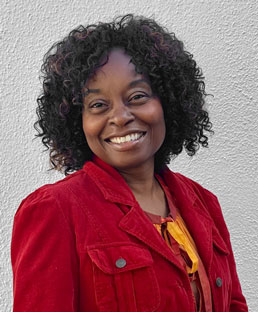 Myriame Nicolas, PMHNP-BC
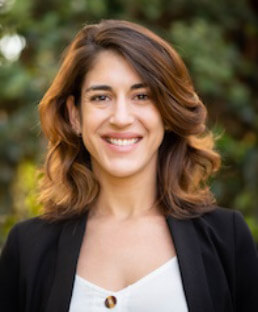 Charlie Perez, PMHNP-BC
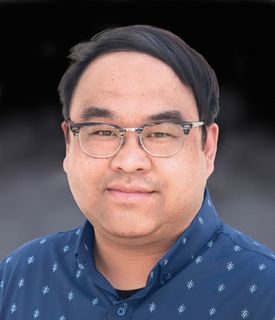 Kelvin Poon, MSN, PMHNP-BC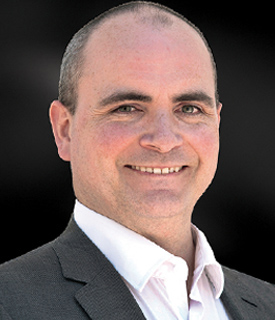
 Apneet Mann, FNP-C
 Kimberly Umansky, FNP-C
 Joanne Talbot Miller, M.A., LMFT
 Rachael Hueftle, NP
 J. Heather Fitzpatrick, LCSW
 Agata Nowakowska
 Brianna Meacham
 Maha Moses, PhD
 Rebecca McKnight, PsyD
 Tiffany Holm N.P.
 Dede Echitey, PMHNP-BC