
Summary: Yes, there is a Coronado psychiatrist who specializes in trauma treatment. In fact, there’s an entire team of clinicians at a high-quality mental health treatment center in Coronado that specialize in treating patients with trauma-related mental health disorders.
Key Points:
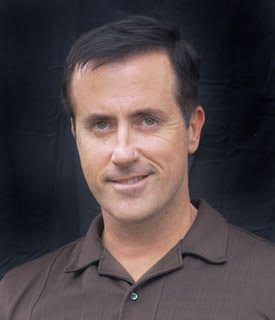
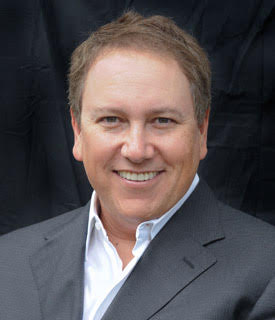
- The Coronado psychiatrist who specializes in trauma is Mark Melden, D.O.
- Melden and his clinical team support patients at Crownview Medical Group in Coronado, California
- Clinicians at Crownview Medical are experienced experts in trauma-informed care.
What is Trauma?
The American Psychological Association (APA) defines trauma as follows:
“Any disturbing experience that results in significant fear, helplessness, dissociation, confusion, or other disruptive feelings intense enough to have a long-lasting negative effect on a person’s attitudes, behavior, and other aspects of functioning.”
Experiencing a traumatic event can increase risk of/directly lead to the development of several different mental health disorders, including:
-
- Post-traumatic stress disorder (PTSD)
- Anxiety disorders (AD)
- Depressive disorders (MDD)
- Mood disorders (BD-1 & BDs)
- Personality disorders
The primary symptoms of trauma-related disorders include:
-
- Intrusive thoughts
- Hypervigilance
- Persistent, generalized fear
- Depressed mood
- Anxiousness
- Irritability
- Problems thinking clearly
- Problems with memory and decision-making
- Feelings of hopelessness and despair
- Low self-esteem
The most common trauma-related mental health disorder is post-traumatic stress disorder (PTSD).
Symptoms of PTSD include the symptoms listed above, and may also include:
-
- Unwanted, disturbing memories of the initial trauma
- Taking extreme measures to avoid anything related to the initial trauma
- Feeling numb/detached from emotions
- Problems falling asleep/staying asleep
- Recurring nightmares
The types of experiences that meet criteria for a traumatic event include, but are not limited to:
-
- Physical and/or emotional abuse
- Physical and/or emotional neglect
- Severe accidents/injuries
- Physical and/or sexual assault
- Experiencing war or terrorism
- Witnessing war or terrorism
- Witnessing domestic abuse
- Death in family
- Experiencing divorce
- Living through natural disasters, including:
- Wildfires
- Hurricanes
- Floods
- Pandemics
If you’ve had any of those experiences in your life, whether in childhood, adolescence, or adulthood, and you experience any of the symptoms we list above, we encourage you to seek a full psychiatric evaluation administered by a skilled and experienced mental health professional. They can diagnose a trauma-related disorder and refer you to a provider that offers evidence based, trauma-informed support and care.
Trauma Treatment: How it Works
In a 2014, the Substance Abuse and Mental Health Services Administration (SAMHSA) published a treatment protocol called “Trauma-Informed Care in Behavioral Health Services” which outlines the core evidence-based philosophies and principles that guide treatment for people with trauma-related disorders.
The experts at SAMHSA identify three foundational guidelines for mental health professionals and any providers who work with people with a history of trauma:
- Realize the impact trauma can have on a person and understand the various techniques and approaches that can help people with a history of trauma.
- Recognize the symptoms, consequences, and warning signs of past trauma.
- Avoid re-traumatization of patients during all phases of treatment and recovery.
While following these guidelines, mental health providers adhere to the principles of trauma-informed care. To learn about those principles, we encourage you to read this article: “The Six Principles of Trauma-Informed Care.”
With the three guidelines and six principles serving as a template for best practices for treating people with trauma-related disorders, a trauma-informed treatment plan may include:
Psychotherapy:
-
- Cognitive behavioral therapy (CBT)
- Dialectical behavior therapy (DBT)
- Trauma-focused cognitive behavioral therapy (TF-CBT)
- Trauma-focused dialectical behavior therapy (TF-DBT)
- Eye movement desensitization & reprocessing (EMDR)
- Prolonged exposure therapy (PE)
- Cognitive processing therapy (CPT)
- Prolonged exposure therapy (PE)
Medication:
-
- Anxiolytics
- Selective serotonin reuptake inhibitors (SSRIs) and serotonin-norepinephrine reuptake inhibitors (SNRIs)
Complementary approaches
-
- Diet and exercise
- Massage and acupuncture
- Mindfulness/meditation
New approaches:
If you choose a Coronado psychiatrist who specializes in trauma treatment, they’ll gather all the information they can about you, your current challenges, and your goals for treatment, and collaborate with you to create a treatment plan that gives you the best possible long-term treatment outcome.
Treatment for trauma can work, but remember the sooner you get the evidence-based treatment for trauma you need, the sooner you can learnt to manage your symptoms and start on the road to recovery.

Angus Whyte has an extensive background in neuroscience, behavioral health, adolescent development, and mindfulness, including lab work in behavioral neurobiology and a decade of writing articles on mental health and mental health treatment. In addition, Angus brings twenty years of experience as a yoga teacher and experiential educator to his work for Crownview. He’s an expert at synthesizing complex concepts into accessible content that helps patients, providers, and families understand the nuances of mental health treatment, with the ultimate goal of improving outcomes and quality of life for all stakeholders.
 Myriame Nicolas, PMHNP-BC
 Charlie Perez, PMHNP-BC
 Kelvin Poon, MSN, PMHNP-BC
 Apneet Mann, FNP-C
 Kimberly Umansky, FNP-C
 Joanne Talbot Miller, M.A., LMFT
 Rachael Hueftle, NP
 J. Heather Fitzpatrick, LCSW
 Agata Nowakowska
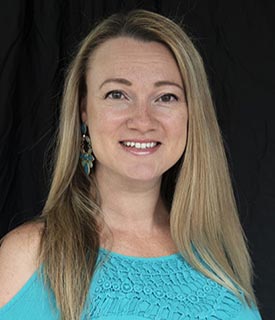 Brianna Meacham
 Maha Moses, PhD
 Rebecca McKnight, PsyD
 Tiffany Holm N.P.
 Dede Echitey, PMHNP-BC