
Summary: If you live in the San Diego area and you, a friend, or loved one has opioid addiction/opioid use disorder (OUD), it’s important they find a Suboxone Clinic in San Diego, CA that offers professional support for opioid addiction.
Key Points
- Suboxone is an effective medication for opioid addiction, including opioid use disorder, prescription opioid use disorder, fentanyl use disorder, and heroin use disorder.
- Medication for opioid addiction is part of an approach called harm reduction, which began in earnest when California established the California Harm Reduction Initiative (CHRI) in 2019.
- You can find harm reduction services like Suboxone treatment at private clinics, or initiate treatment at public hospitals in California through CA Bridge, depending on your needs, resources, and location.
Opioid Addiction Treatment in San Diego
Finding effective, evidence-base, integrated treatment for opioid use disorder/opioid addiction means locating medication-assisted treatment (MAT) with medications for opioid use disorder (MOUD) in a location close enough to home that it works with a busy life. MAT with MOUDs at our location in San Diego can do just that. Our compassionate and skilled clinical staff can help patients in need start their recovery journey and live a full and fulfilling life without the use of opioids.
What’s a Suboxone Clinic?
Suboxone clinics are addiction treatment center that meets all the rules and regulations established by federal, state, and local authorities to support people in MAT programs with the following medications:
- Buprenorphine
- Naltrexone
Also known as Office-Bases Opioid Treatment Centers (OBOTs), these treatment centers focus on supporting patients with Suboxone, which includes both medications we mention above, buprenorphine and naltrexone. Experts consider MAT with MOUDs – including Suboxone – the gold-standard treatment of opioid use disorder.
About MAT in San Diego: Medications
Buprenorphine: Important Facts
Buprenorphine occupies structures in the human brain called receptors. It’s called a partial opioid agonist, which means it partially occupies opioid receptors. It works by preventing other opioid-based medications or drugs of misuse from occupying the same receptors. This stops the other drugs, such as heroin or fentanyl, from triggering the euphoria/high associated with opioids. It stops those effects, mitigates the worst symptoms of withdrawal, and significantly decreases the intensity of drug craving associated with opioid withdrawal.
Naltrexone: Important Facts
Naltrexone works differently than buprenorphine. It’s known as an opioid receptor antagonist, which means it fully blocks opioids from binding to receptors in the human brain. When a person takes naltrexone, opioids can’t function, and have no effect at all on the brain and body. And when a person ingests naltrexone while opioids are in their system, it kicks the opioids off the receptors and precipitates withdrawal. That’s how naltrexone both discourages using opioids, and prevents the illegal diversion of Suboxone for illicit purposes.
The Benefits of MAT: The Harm Reduction Approach
Harm reduction first started close to three decades ago in Western Europe. Several countries tested programs that included:
- Medication-assisted treatment
- Needle exchange/safe needle programs
- Expanded naloxone access
- Reduced barriers to treatment
Here’s what happened:
Harm reduction worked.
In California, lawmakers passed harm reduction legislation in 2019 and expanded the commitment to hard reduction – which includes suboxone clinics – in 2023. These innovative programs enable treatment providers offer the best available support for patients with opioid use disorder, a.k.a. opioid addiction.
Here’s how Jeannette Zanipatin, the California State Director for Drug Policy Alliance, views the latest investment in addiction treatment:
“Drug Policy Alliance applauds the leadership of [California] to fund the CA Harm Reduction Initiative (CHRI) which will provide a critical investment to increase access to naloxone, the opioid reversal medication, drug testing strips, overdose prevention and response, and drug treatment and navigation to respond to the overdose crisis. California’s historic investment will ensure that the most vulnerable communities across California have the tools they need to [meet] this crisis head on.”
Lawmakers proposed and approved funding for harm reduction for two reasons. One, harm reduction works, and two, the citizens of California need access to effective, evidence-based treatment to mitigate the harm caused by the ongoing opioid crisis.
Data shows MAT programs with Suboxone help patients in the following ways:
- Increased time in treatment
- Decreased opioid use drug use
- Reduced contact with criminal justice system
- Improved vocational function and outlook
- Improved family and peer relationships
- Decreased rates of fatal and nonfatal overdose
- Decreased all-cause mortality
Integrated Addiction Treatment at Crownview Medical
Treatment doe opioid use disorder at Crownview Medical Group is about more than Suboxone. Our clinical team designs individualized plans to meet specific needs. A treatment program at Crownview Medical may include:
- Comprehensive assessment
- One-one-one counseling
- Family counseling
- Education on addiction and recovery
- Resources to connect to peer support
- Aftercare planning
- Medication management
Each plan is different, guided by the specific needs of each patient, based on the information we gather before intake and during a comprehensive addiction and mental health assessment administered upon initiation of treatment.
Gold-Standard Treatment for Opioid Use Disorder (OUD)/Opioid Addiction in San Diego
If you’re seeking treatment at a Suboxone Clinic in San Diego, CA contact us here at Crownview Medial Group.
Additional online addiction treatment resources for people in California include:
- This Quick Guide: Helping Patients Access Medication Assisted Treatment
- The Behavioral Health Services page maintained by the California Department of Health Care Services (DHCS)
- Support for families provided by DHCS California Opioid Response
- The CA Bridge Program provided by DHCS California Opioid Response
To receive support or connect to support immediately, call 988, the National Mental Health and Overdose Hotline.
If you or someone you know is having an overdose crisis right now, call 911 or go to the emergency room immediately.
If you’re seeking treatment for a friend or loved one, or helping them find treatment, please remember that the sooner a person with OUD commits to evidence-based treatment, the more likely they are to achieve sustainable, long-term recovery.
The Opioid Crisis in the U.S. and San Diego County, CA
Over the past two and a half decades, over a million people in the U.S. have died of drug overdose, with roughly three out of every four of those deaths attributable to opioids. Overdose deaths involve illegal opioids, prescription opioids, synthetic opioids, and other types of drugs mixed with opioids, such as methamphetamine or cocaine mixed with fentanyl.
Since 1999, overdose fatalities have increased nationwide by over 450 percent, and since 2019, they’ve increased by over 60 percent.
This crisis is the reason we offer the best available treatment for OUD at our Suboxone Clinic in San Diego.
The latest facts and figures for San Diego County are publicly available on the California Overdose Surveillance Dashboard:
Overdose Fatalities in San Diego County 2018-2023
(Rate per 100,000 people)
2018:
- Any opioid: 7.9 (268)
- Fentanyl: 2.5 (82)
- Heroin: 2.5 (86)
2019:
- Any opioid: 9.2 (306)
- Fentanyl: 4.4 (139)
- Heroin: 3.3 (106)
2020:
- Any opioid: 15.7 (528)
- Fentanyl: 12.1 (406)
- Heroin: 2.98 (94)
2021:
- Any opioid: 21.8 (727)
- Fentanyl: 19.4 (643)
- Heroin: 1.8 (63)
2022:
- Any opioid: 21.8 (717)
- Fentanyl: 20.1 (653)
- Heroin: 0.5 (16)
2023:
- Any opioid: 18.2 (828)
- Fentanyl: 17.4 (750)
- Heroin: 0.4 (20)
2024:
- Any opioid: 13.1 (541)
- Fentanyl: 11.5 (481)
- Heroin: n/a
2025:
- Any opioid: 9.0 (361)
- Fentanyl: 7.9 (320)
- Heroin: n/a
When we see that data, we see that the harm reduction services in California appear to be effective. Overdose fatalities associated with all opiates, fentanyl, and heroin have decreased significantly since a peak in 2022, with heroin overdose fatalities decreasing to fewer than 20 in 2024 and 2025. While these figures are promising, it’s important to remember these two facts:
- Every overdose fatality is a tragedy that not only affects the individual, but also their family and community
- Every overdose fatality – from any drug, not just opioids like fentanyl, heroin, or oxycontin – is preventable.
How are they preventable?
With timely and effective professional support for opioid use disorder, which includes a combination of therapy, counseling, peer support, and medication for opioid use disorder (MOUD), such as Suboxone, which we offer here at Crownview Medical Group: Call 619-435-5400.

Angus Whyte has an extensive background in neuroscience, behavioral health, adolescent development, and mindfulness, including lab work in behavioral neurobiology and a decade of writing articles on mental health and mental health treatment. In addition, Angus brings twenty years of experience as a yoga teacher and experiential educator to his work for Crownview. He’s an expert at synthesizing complex concepts into accessible content that helps patients, providers, and families understand the nuances of mental health treatment, with the ultimate goal of improving outcomes and quality of life for all stakeholders.

 Giavanna Aplin, MSN, FNP-C
 Heather Huitema, PMHNP-BC
 Dr. Mark Melden
 Myriame Nicolas, PMHNP-BC
 Charlie Perez, PMHNP-BC
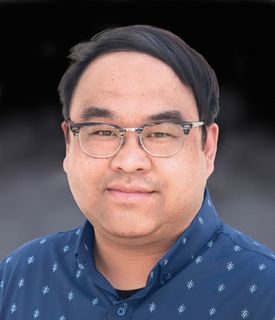 Kelvin Poon, MSN, PMHNP-BC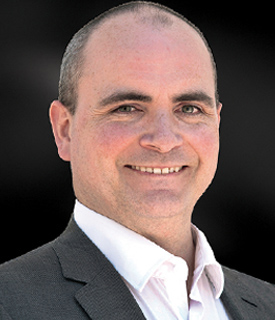
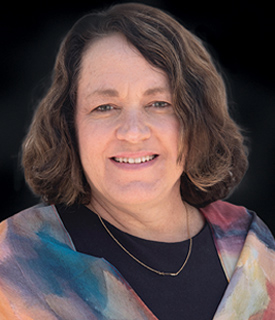
 Apneet Mann, FNP-C
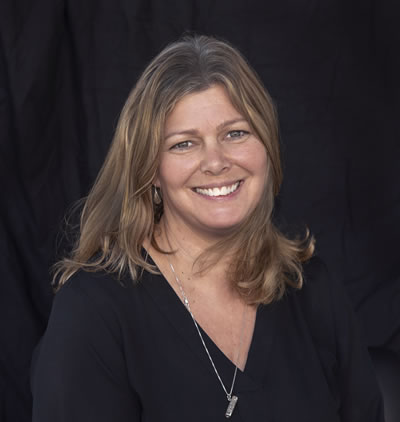 Joanne Talbot Miller, M.A., LMFT
 Rachael Hueftle, NP
 J. Heather Fitzpatrick, LCSW
 Agata Nowakowska
 Brianna Meacham
 Maha Moses, PhD
 Rebecca McKnight, PsyD
 Tiffany Holm N.P.
 Dede Echitey, PMHNP-BC