
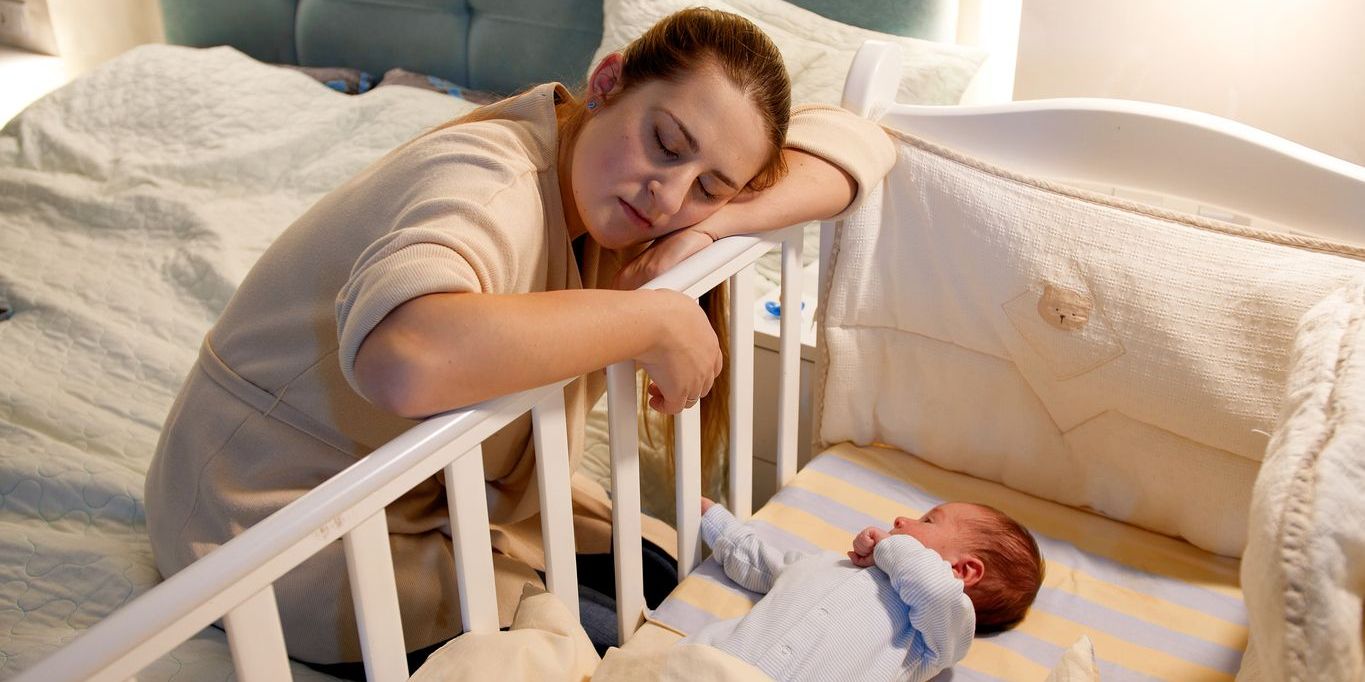
Summary: You can help stay at home moms with depression by offering support in key areas: managing the home, watching the kids, and giving them the free time to pursue personal interests or get some much needed downtime.
Key Points:
- Nationwide surveys show that about 25% of women with children are stay at home moms (SAHMs).
- Stay at home moms are at increased risk of depression, compared to moms who work.
- Compared to working moms and women without kids, stay at home moms report increased rates of less-than-optimal mental health issues, such as worry, sadness, stress, and anger.
- Peer support, staying active, and getting professional help are effective ways to help stay at home moms with depression.
According to the U.S. Census Bureau and the Pew Research Center, there are roughly 85 million moms in the United States. The latest data on stay-at-home mom appears in a large-scale survey conducted by Motherly Magazine called “State of Motherhood: 2023 Survey Report” and indicates that among these 85 million moms, about a quarter – that’s just over 21 million – self-report as stay-at-home moms.
That was the first significant increase in years.
Why did SAHM rates increase?
The Motherly survey indicates:
- 28% wanted to be at home with kids
- 15% had no other childcare
The survey asked an important follow-up question: what would it take to get them back to the workforce? Here’s what they said:
- 64% said they need flexible work schedules
- 52% said they need affordable childcare
Let’s look at the basic age break down among stay-at-home moms, according to the Motherly survey:
- 25%: Gen Z/Millennials
- 35%: under age 30
- 27%: age 30-39
- 26%: age 40+
Now let’s look at the results of a Gallup Poll on mental health and emotion among stay-at-home-moms (SAHM):
Negative Emotions by Motherhood Status
SAHM:
- Worry: 41%
- Sadness: 26%
- Stress: 50%
- Anger: 19%
- Depression: 28%
Employed Moms:
- Worry: 34%
- Sadness: 16%
- Stress: 48%
- Anger: 14%
- Depression: 17%
Employed Women, No Kids:
- Worry: 31%
- Sadness: 16%
- Stress: 45%
- Anger: 12%
- Depression: 17%
The survey asked moms if they’d experienced worry, sadness, stress, or anger yesterday to gauge current levels of negative emotion and asked if they’d received a diagnosis for depression in order to gauge levels of depression among stay-at-home moms.
The data from this survey show clearly that SAHM report current worry, sadness, stress, and anger at significantly higher rates than working moms and working women with no kids, but the greatest differences are in rates of depression: SAHMs report depression at rates over 60 percent higher than working moms or working women with no kids.
Why is Depression More Prevalent Among Stay at Home Moms?
The data says SAHMs are more likely to develop depression than moms who work. Moms who have had a history of depression in the past have the highest risk of developing depression after the birth of their child. Additional factors that may increase their likelihood of developing depression include:
Hormonal Changes
- If you’ve ever taken a biology class, you understand that – aside from being born and dying – giving birth is the most significant physiological event in the lifespan of virtually any organism on earth, and human females are no different. Childbirth changes the body, not only through the obvious physical experience of pregnancy, labor, and delivery, but also through hormonal changes that impact mood, thought, and emotion.
Lack of sleep
- All parents know – and adults who aren’t parents know because their friends who are parents tell them – that it’s nearly impossible to get a full night’s sleep with an infant in the house. Changing diapers, feeding, crying – all this typical newborn infant behavior conspires to keep new moms up at all hours of the day and night, resulting, for some, in chronic sleep deprivation. Chronic sleep deprivation is a significant risk factor for depression and other mental health disorders.
Social Isolation
- In some cases, staying at home with kids means being totally cut off from the rest of the world. New moms or moms with more than one child – especially those accustomed to a high level of social contact – often feel this change deeply. It can lead to loneliness, which can lead to sadness and despair, which can, themselves, escalate to clinical depression. We know having friends and getting plenty of social contact it good for our mental. New moms, often preoccupied with the demands and excitement of motherhood, may forget they need to maintain their social connections in order to stay balance – and sometimes they remember the importance of social contact too late, after developing initial symptoms of depression.
Identity Loss
- While some SAHMs embrace the role of mother and feel complete and fulfilled in the mother identity, other SAHMs –while they of course love their children and fully embrace motherhood – also feel a sense of loss, disjointedness, or disorientation when they transition from working woman to SAHM. They miss things they may have taken for granted at work, such as the respect they get at the office, the sense of accomplishment from completing tasks and being good at a job, creative problem solving, and daily social contact. When all of this disappears, and they find themselves in a world of diapers and baby talk, it can be quite a shock. For some new moms, the change can trigger the initial symptoms of depression.
Feeling Dependent
- This is related to identity loss, above. A self-sufficient working woman who spends early adulthood establishing a personal and financial identity independent of their family or a partner/spouse may not like the situation they find themselves in as a SAHM. They may become dependent on their partner for more things than they’re comfortable with, which creates internal conflict – and can also lead to or initial symptoms or feelings associated with depression.
No Self-Time/No Time for Self-Care
- We understand, because many of us are parents ourselves: it’s easy for SAHMs to prioritize their children’s needs over their own. After all, they’re kids, and parents are adults, who know how to manage their own stress and emotions and don’t need help with anything. As opposed to kids, who, in the beginning, need literally everything done for them, and SAHMs are the providers and doers of literally everything for them. This is a tough one: new moms need to find the time for self-care, or the stress, frustration, loneliness, identity loss, sleep loss, and lack of social interaction can build until there’s a crisis – or a mental health disorder like depression.
How Can SAHMs Manage Depression?
First, if you, a family member, or a friend is a SAHM, and you don’t know what the symptoms of depression are, here’s what to watch for:
- Daily sadness
- Anger/irritability
- Feelings of worthlessness
- Loss of interest in hobbies
- Fatigue/low energy
- Problems with concentration, memory, decision making
- Changes in appetite
- Physical aches and pains that have no clear cause and don’t go away with typical treatment
If you experience any of the symptoms above, here are the smaller, concrete action steps you can take to address/reduce/mitigate the symptoms of depression:
Seek Professional Mental Health Services
- A mental health professional can administer a full psychiatric evaluation. If an evaluation indicates the presence of a depressive disorder, you can begin treatment, which typically involves a combination of psychotherapy, medication, lifestyle changes, and peer support. In addition new techniques such as transcranial magnetic stimulation or psychedelic therapy may offer relief when other techniques don’t.
Connect With Parents and Peers
- The most important thing to remember is that you don’t have to try to manage alone. Data indicates there are 21 million of you. When you have a network of other parents, you can plan playdates, dinner dates, lunch dates – you name it, you can get together and do it. While your kids are playing in the yard or at the playground, you can other SAHMs can talk about what’s going on in your lives. The ups, the downs, the good, the bad – everything. And during those conversations, you can give and receive crucial soft support life empathy and compassion, as well as offer hard, practical tips about anything from bedtime routines to the best way to wash out used formula bottles you accidentally left in the baby bag you lost in the trunk of the care a month ago.
Plan Outings, Plan Meet-Ups, Plan to Get Out of the House
- Make plans that include your kids, but also make plans to see friends – or simply go out – without the kids. The idea here is to reduce stress – which can lead to depression – by scheduling regular weekly activities you don’t have to think about and you know that you, your child, or both of you enjoy. If you plan solo activities, we recommend whatever type of self-care works best for you: exercise, beauty, socializing, you name it – if it works for you, do it. If they’re activities for you and your kids, we recommend activities that include social interaction with other children and other mothers. This will help both mother and child get the social contact they need, and help mom reduce loneliness and isolation that can lead to depression or depressive symptoms.
How Can Family Members Help a SAHM Living With Depression?
The most important things a SAHM with depression can hear are “I’m here for you,” and “I can help.” If you want to help a stay at home mom with depression, this is where to start. This will let them know they’re not alone, and they don’t have to bear all the responsibility of raising their child – and the associated stress – all by themselves.
If you’re a family member of a SAHM with depression, here’s what to do after you let them know you’re there for them and you want to help:
Offer Your Help With Daily Duties
- When you do this, be proactive. Say, “Send me your list and I’ll run errands for you.” Consider this offer: “I’m bringing over a huge lasagna for you.” Or this: “’ll come over, you take a nap, I’ll clean out the fridge.”
- Asking for help as a parent when you’re trying to manage the symptoms of depression is hard. It may feel impossible to find the words to describe what it is you need.
- Making proactive offers to take care of things they may not feel it’s okay to ask for help with is an effective way to offer support. They don’t even have to think about what to ask for, or deal with any issues they have around asking for it.
Help With Childcare
- Offering to watch the kids is helpful in countless ways. It can give SAHMs the time to do literally anything they want or need to do. Go out for coffee, go shopping for themselves, go get exercise, go to the salon or spa, whatever they can’t do when they’re home watching kids.
- For SAHMs who might, or think they might have depression, help: time is the primary barrier SAHMs report that prevents them from seeking the support they need.
- Make your offers specific. For instance, “I can come over and watch [baby name] for two hours on Thursday afternoon – will this help? Or, better yet, “I can come over and watch the kids for two hours every Thursday afternoon – will this help?” We can virtually guarantee that the answer to both of those questions will be a very enthusiastic, “Yes!”
Help With All the Things
- Most of us understand there’s more to parenting than the direct interaction with the children, i.e. there’s more than feeding, changing diapers, and doing the bedtime routine: there’s all kinds of other work to do every single day.
- Offer to help with all the other work, such as cooking, cleaning, shopping, laundry, and various kid-related errands.
- When the kids get older, you can change the nature of your offers to help. You can pick kids up from school, help by taking them to and from sports practices or school-related activities. When they get old enough, you can even offer to take them for a weekend, to give a SAHM an unprecedented two days off parenting in a row. Again, that’s an offer that in most cases will be met with an enthusiastic “Yes! Please!”
The very best way to help a stay at home mom with depression is to listen closely to what’s going on in their lives. In conversation, pay attention. Pay attention to what they do and don’t say. If you see they’re stressed out about something but won’t admit it, you don’t need to put them on the spot by saying you seem stressed about that. Instead, think of proactive things you can do to help a stay at home mom with depression deal with that thing; remember, be proactive, and set up your offer for help as something you’re planning and want to do. In most cases, if you present it as a done deal, they’ll be more likely to accept your support.
The Key Word is Help
Parenting is simultaneously one of the most rewarding and most challenging jobs any of us experience during the course of our lives. Stay-at-home-moms are at higher risk of depression than working moms for the reasons we list above – and all the reasons make perfect sense. One thing that’s critical for family members to understand is how hard it is to ask for help. For some SAHMs, asking for help feels like failure. They’re afraid to ask for help because they think they’ll be judged as a bad mom or an inadequate parent.
Let’s clear that up:
Asking for help is a sign of strength, rather than a sign of weakness or failure.
In order to be the best mom you can be, you need – first – to be the best version of yourself you can be. We get it: you want to put your kids first, and give them every advantage in the world. However, if you aren’t whole, that’s not possible.
Asking for help with the symptoms of depression means you’re doing the best thing for both you and your child. If you recognize any of the symptoms of depression we list above in yourself, then we recommend seeking a professional psychiatric evaluation sooner rather than later. If an evaluation indicates the presence of major depressive disorder (MDD), you can engage in treatment immediately. And if the evaluation doesn’t indicate depression, you can work with a therapist to address the initial symptoms – sadness, loneliness, anger/irritability – before they escalate to clinical depression.
In either case, the most important thing to do is seek help.
There are at least 21 million SAHMs out there, and it’s likely most of them can relate to what you’re going through. Therefore, speak up! You will find help if you ask for it.

Angus Whyte has an extensive background in neuroscience, behavioral health, adolescent development, and mindfulness, including lab work in behavioral neurobiology and a decade of writing articles on mental health and mental health treatment. In addition, Angus brings twenty years of experience as a yoga teacher and experiential educator to his work for Crownview. He’s an expert at synthesizing complex concepts into accessible content that helps patients, providers, and families understand the nuances of mental health treatment, with the ultimate goal of improving outcomes and quality of life for all stakeholders.
 Myriame Nicolas, PMHNP-BC
 Charlie Perez, PMHNP-BC
 Kelvin Poon, MSN, PMHNP-BC

 Apneet Mann, FNP-C
 Kimberly Umansky, FNP-C
 Joanne Talbot Miller, M.A., LMFT
 Rachael Hueftle, NP
 J. Heather Fitzpatrick, LCSW
 Agata Nowakowska
 Brianna Meacham
 Maha Moses, PhD
 Rebecca McKnight, PsyD
 Tiffany Holm N.P.
 Dede Echitey, PMHNP-BC