
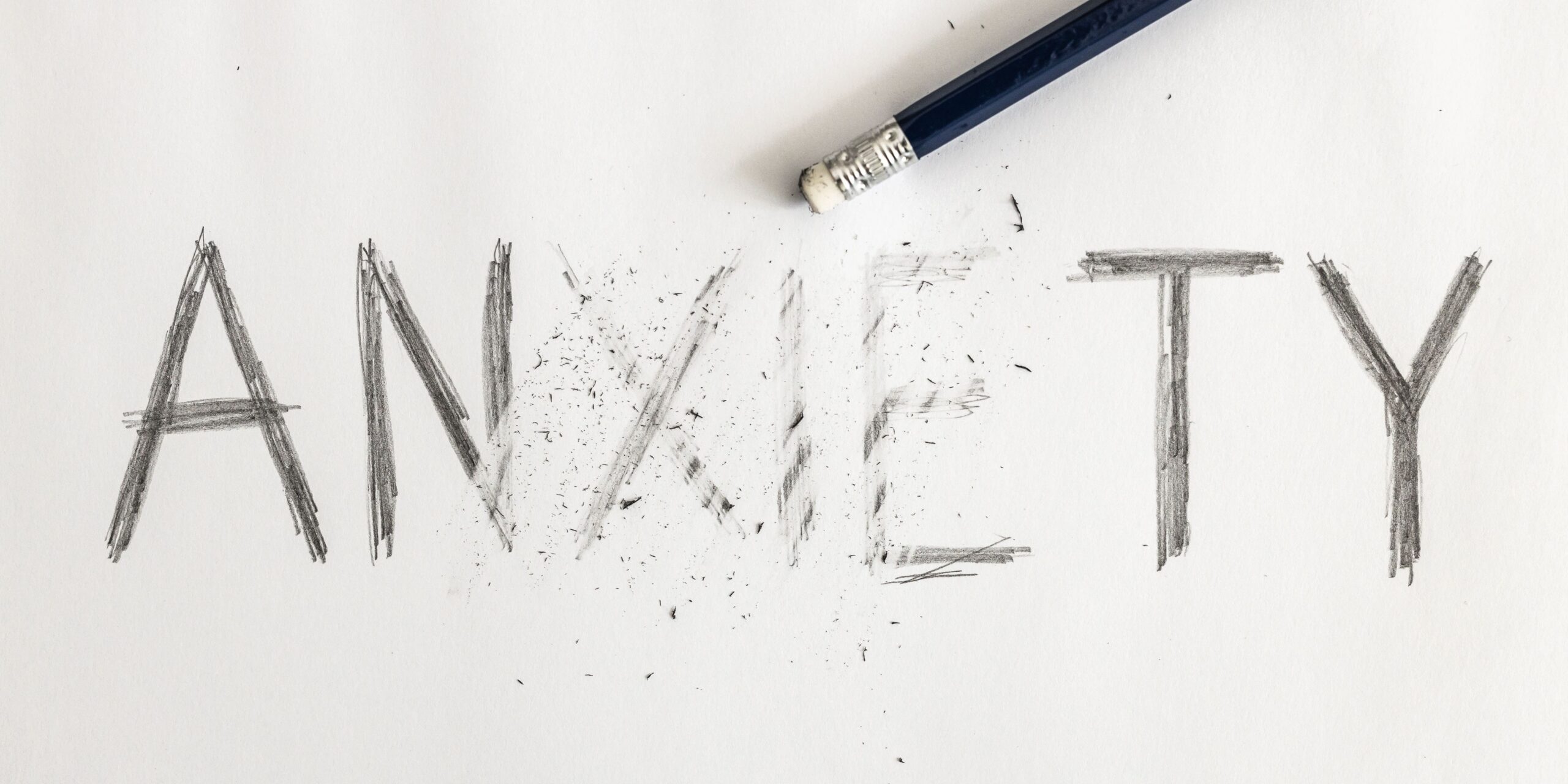
Summary: The latest medication available for anxiety treatment is Cymbalta, which was approved by the Food and Drug Administration (FDA) in 2019 at the same time as extended-release Lorazepam.
Key Points:
- No new medication specifically designed to treat symptoms of anxiety has been approved since 2019.
- Several promising new medications for anxiety are currently in Stage III clinical trials, which compare new medications to placebo in random-controlled trials (RCT) in human subjects diagnosed with the condition the medication is designed to treat.
- New medications under review include psychedelics, a novel steroid compound in nasal spray form, and one involving cannabidiol (CBD), among others.
The Latest Medication for Anxiety Treatment: What Do We Mean By Anxiety?
The American Psychological Association (APA) defines anxiety as follows:
“Anxiety is an emotion characterized by apprehension and somatic symptoms of tension in which an individual anticipates impending danger, catastrophe, or misfortune.”
An anxiety disorder, on the other hand – according to the Diagnostic and Statistical Manual of Mental Disorders (DSM-5) – is more than the simple anxiety most of us experience in some form every day. Experts indicate an anxiety disorder involves:
“Excessive anxiety and worry that occur more days than not for at least 6 months, about a number of events or activities across several life domains, such as work, school, family, and social situations.”
To learn more about the symptoms of anxiety and how to find treatment, please read this article on our blog:
How Do I Find the Right Therapist for Anxiety?
Now let’s look at how many people in the U.S., and worldwide, have anxiety and might need to know about the latest medication available for anxiety treatment.
How Many People Have Anxiety?
First, we’ll share the results of a retrospective analysis released in 2020 that identified trends in past-month anxiety among adults. These figures are based on data collected between 2008 and 2018.
Symptoms of Anxiety in the Past Month, 2008-2018: Trends for Adults 18+
- Any anxiety diagnosis:
- 2008: 5.12%
- 2018: 6.68%
Next, we’ll look at reported symptoms of anxiety in the past two weeks among adults in 2019, as reported by the Centers for Disease Control (CDC):
Symptoms of Anxiety in the Past Two Weeks: Adults 18+ In 2019
- Any Anxiety: 15.6%
- Mild Anxiety: 9.6%
- Moderate Anxiety: 3.4%
- Severe Anxiety: 2.7%
Moving on, we’ll look at research published by The Healthy Minds Network that examined trends in the prevalence of anxiety among younger adults between 2020 and 2023:
Symptoms of Anxiety in the Past Two Weeks: Young Adults 18-30
- 2020/2021:
- Total: 34%
- Mild/moderate: 18%
- Severe: 16-17%
- Total: 34%
- 2022-2023:
-
- Total: 36%
- Moderate: 19%
- Severe: 17%
- Total: 36%
-
Next, we’ll share the most recent data on anxiety among adults 18+ in the U.S., as published in the 2024 National Survey on Drug Use and Health (2024 NSDUH):
Symptoms of Anxiety in the Past Two-Weeks: Adults 18+: 2024
- Mild anxiety: 37.5 million
- ~14% of adults
- Moderate anxiety: 12.2 million
- ~5% of adults
- Severe anxiety: 7.1 million
- ~3% of adults
Finally, the publication “Updated Trends in the Global Prevalence and Burden of Mental Disorders, 1990–2023: A Systematic Analysis for the Global Burden of Disease Study 2023” indicates that anxiety is the most common mental heath disorder among adults globally.
Anxiety Disorders Worldwide: Increasing Year-Over-Year
Anxiety disorders (GAD, SAD, and others):
- 1990: 182 million
- 2023: 470 million
- Increase: 158.6%
For comparison, here’s the data on depression, the second most common mental health disorder, depression:
Major depressive disorder (MDD):
- 1990: 102 million
- 2023: 236 million
- Increase: 131%
As the data indicate, anxiety is a serous problem worldwide, with diagnosis increasing every year across almost all age groups. The numbers show that tens of millions of people in the U.S. and hundreds of millions of people around the world have anxiety.
New Medication for Anxiety: The Latest Medications Available for Anxiety Treatment
As we indicate above, no new medication for anxiety has been approved since 2019. However, there are a significant number of medications used off label for anxiety, and several emerging treatments that may become available sooner, rather than later.
Before we continue, we’ll take a brief aside to explain what off label use means.
What Does Off-Label Use Really Mean?
Here’s what off label use really means, according to the Congressional Research Service (CRS) in the publication “Off-Label Use of Prescription Drugs:
“When the Food and Drug Administration (FDA) approves a drug for sale in the United States, the approval includes a section entitled “Indications for Use.” This section lists the one or more diseases, conditions, or symptoms for which the drug manufacture provided – to the FDA’s satisfaction – evidence in support of the drug’s safety and effectiveness.
FDA regulates all approval and post-approval aspects of a drug product [but not] the practice of medicine. Physicians, therefore, may prescribe an FDA-approved drug for indications that FDA has not reviewed for safety and effectiveness.”
What this means is that if evidence indicates that a medication may be helpful for a disorder it wasn’t initially approved for, the doctor and the patient can review the risks and benefits and reach a mutual decision about whether to use that medication. For instance, the medications considered first-line treatments for anxiety were initially developed for depression. Over time, patients and providers realized they were effective for anxiety and were subsequently approved.
That sequence of events is not at all uncommon in modern medicine.
Therefore, the FDA allows off-label use in certain circumstances where a specific medication may help a patient and they’re fully aware of the relative risks and rewards associated with the specific medication, and consent to use.
Now we’ll return to the topic at hand: the latest medications available for anxiety treatment.
Medication for Anxiety: What We Have Now
The most effective treatment for anxiety is a combination of psychotherapy, medication, lifestyle changes, education, and complementary supports. To learn about the most effective psychotherapies, lifestyle changes, and complementary support for anxiety, please read the article we link to above from our blog, or read our treatment page:
Anxiety Treatment & Therapy
We’ll now list the latest medication available for anxiety treatment, beginning with medications approved by the FDA for anxiety, followed by medications in common off label use for anxiety.
Medication for Anxiety: What We Have Now
FDA approved, first-line medications for anxiety:
- Selective serotonin reuptake inhibitors (SSRIs):
- Paxil
- Lexapro
- Developed for depression
- Serotonin-Norepinephrine reuptake inhibitors (SNRIs):
- Effexor
- Cymbalta
- Developed for depression
- Benzodiazepines:
- Lorazepam
- Xanax
- Klonopin
- Diazepam
- Buspirone:
- Formerly BuSpar, now available as Buspirone
- Hydroxyzine
- Developed as an antihistamine, FDA-approved for anxiety
- Trifluoperazine
- Developed as an antipsychotic, FDA-approved for anxiety
FDA approved drugs currently in off-label use for anxiety:
- Tricyclic antidepressants (TCAs)
- Elavil
- Tofranil
- Beta blockers:
- Propanol
- Tenormin
- Monoamine oxidase inhibitors (MAOIs)
- Selegiline
- Phenelzine
- Oldest medications approved for depression
- Anti-seizure medications:
- Lyrica
- Developed for epileptic seizures
- Gabapentin
- Developed as an anticonvulsant for minor seizures and an analgesic for shingles, and to help manage restless leg syndrome
- Lyrica
- Alzheimer’s medication:
- Memantine
- NMDA receptor antagonist
- Memantine
- Antipsychotics:
- Seroquel:
- Developed for schizophrenia
- Can have serious side effects
- Risperdal
- Developed for schizophrenia and bipolar disorder
- Can have serious side effects
- Seroquel:
- Anticonvulsant/mood stabilizer:
- Valproate
- Developed for epileptic seizures.
- Often in bipolar disorder to treat manic or mixed bipolar episodes
- Valproate
Those medications are all currently in use for anxiety. The FDA-approved medications are the standard initial treatments, while the off-label medications are for patients who don’t respond to treatment or experience negative side-effects that outweigh symptom reduction.
We’ll close this article with a list of medications that are close to FDA approval, pending the results of Stage III clinical trials, typically the last step in the process for all medications intended for human use.
Medication for Anxiety: What’s New and/or What May Be Available Soon
When we say these medications may be available soon, we mean after the latest clinical trial results are submitted for review by the FDA. Keep in mind that during Stage III clinical trials, researchers may gather data that either support or contradict earlier research. FDA scientists review all data, make decisions based on scientific fact, and may request further research, clarification, or additional data before granting full approval.
Therefore, these medications may be close to approval, but they may never be approved: that’s how the process works.
Latest Medications in Final Trials for Anxiety Treatment
- CYB004 (DMT):
- This is a derivative of DMT, a naturally occurring psychedelic compound found in the ayahuasca plant, used in traditional ritual practices in South America.
- Research indicates CYB004 promotes neural plasticity and may offer fast-acting relief of anxiety symptoms.
- MM120 (Lysergide)
- This is a derivative of the human-made psychedelic compound lysergic acid diethylamide, or LSD.
- Like CYB004, MM120 promotes neural plasticity, with initial trials showing fast acting symptom relief, with symptom reduction persisting for at least 4 weeks after one dosage session.
- Ibogaine:
- This is psychedelic compound derived from the iboga shrub common to West Africa, used in traditional cultural rituals and practices.
- Research on combat veterans with severe PTSD show significant improvement in PTSD, depression, and anxiety.
- Symptom relief occurs quickly and persists for at least one month.
- The intensity of the experience – reported in both anecdotal and clinical trials – means the development of reliable protocols for safety and dosage are the next step in the ibogae approval process.
- Fasedienol nasal spray:
- This is a new medication that reduces anxiety symptoms by using a laboratory developed steroid, which is a new approach for anxiety treatment.
- May offer significant symptom relief for people with social anxiety disorder (SAD).
- Cannabidiol (CBD)-assisted learning for GAD
- This is a cannabinoid found in cannabis plants.
- Initial studies indicate significant symptom relief for patients with generalized anxiety disorder (GAD), social anxiety disorder (SAD), and PTSD.
- CBD does not cause intoxication or have euphoric effects but may cause drowsiness.
We’ll discuss these results below.
New Medications for Anxiety Treatment Hold Promise for Fast, Durable Relief
When we discuss new and emerging treatments for mental health problems, we caution patients and families against the allure of a magic pill or an instant fix. What we know about mental health tells us the following:
- The most effective healing is most often multimodal, integrated, and holistic.
- Medication alone is monotherapy, as opposed to multimodal and integrated.
- New medications may improve symptom reduction in two ways:
- Increase speed of relief
- Extend length of relief
However, the healing process in mental health involves making changes that affect the whole person, rather than strictly working to reduce symptoms. The goal is total health. When a person with anxiety begins to heal, they often realize the symptoms affected not only their thoughts and emotions, but also their bodies, their sleep, their eating patterns, and more. To heal is often to rebuild, and while new medications may offer instant relief, the rebuilding will most likely take time and effort, but the result – a full and fulfilling life not dominated by the symptoms of anxiety – is worth the work.

Angus Whyte has an extensive background in neuroscience, behavioral health, adolescent development, and mindfulness, including lab work in behavioral neurobiology and a decade of writing articles on mental health and mental health treatment. In addition, Angus brings twenty years of experience as a yoga teacher and experiential educator to his work for Crownview. He’s an expert at synthesizing complex concepts into accessible content that helps patients, providers, and families understand the nuances of mental health treatment, with the ultimate goal of improving outcomes and quality of life for all stakeholders.

 Giavanna Aplin, MSN, FNP-C
 Heather Huitema, PMHNP-BC
 Dr. Mark Melden
 Myriame Nicolas, PMHNP-BC
 Charlie Perez, PMHNP-BC
 Kelvin Poon, MSN, PMHNP-BC
 Apneet Mann, FNP-C
 Joanne Talbot Miller, M.A., LMFT
 Rachael Hueftle, NP
 J. Heather Fitzpatrick, LCSW
 Agata Nowakowska
 Brianna Meacham
 Maha Moses, PhD
 Rebecca McKnight, PsyD
 Tiffany Holm N.P.
 Dede Echitey, PMHNP-BC