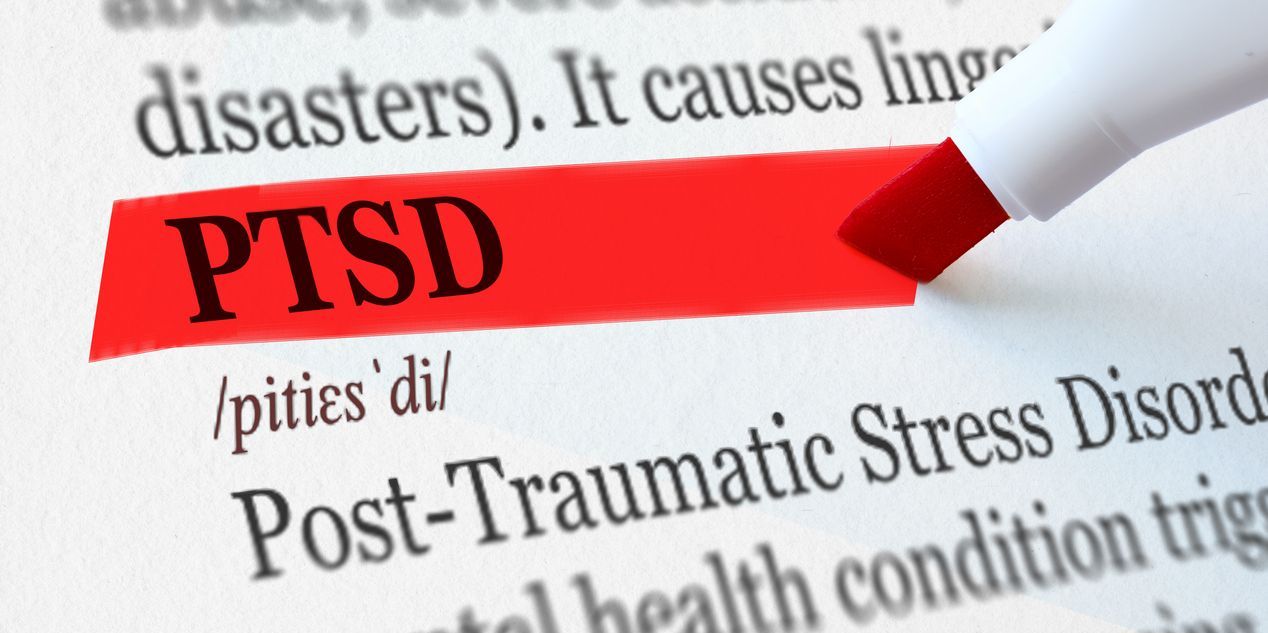
Summary: The best medication for PTSD, based on peer-reviewed research conducted over the past several decades, is medication initially designed to treat depression, called antidepressant medication, or simply antidepressants.
Key Points:
- Medication can help people with post-traumatic stress disorder (PTSD).
- Medication is not the best treatment for PTSD: various forms of psychotherapy are more effective.
- Medications can help reduce PTSD symptoms by reducing related mental health symptoms associated with depression and anxiety.
- Experts consider medication without psychotherapy less effective than psychotherapy without medication.
What We All Should Know About PTSD
Here’s a good definition of PTSD published in the Diagnostic and Statistical Manual of Mental Disorders, Volume 5 (DSM-5):
“A disorder that may result when an individual lives through or witnesses an event in which they believe that there is a threat to life or physical integrity and safety and experiences fear, terror, or helplessness.”
PTSD can develop after an individual experiences a traumatic experience or series of traumatic incidents, including but not limited to:
- Witnessing/living through war
- Any experience of physical/sexual abuse
- Rape/assault
- Childhood sexual/physical/emotional abuse
- Witnessing/living through domestic violence
- Having a serious accident/injury/illness
- Serious accident/injury/illness in family member
- Experiencing /witnessing/living through natural disaster
A study on PTSD rates around the world P shows the following prevalence:
- General population: 3.9%
- High-income countries: 5.0%
- Upper-middle-income countries: 2.3%
- Low/lower middle-income countries: 2.1%
Here in the U.S., the Department of Veterans Affairs and the National Center for PTSD report prevalence consistent with that observed in high-income countries:
- Past-year PTSD diagnosis: 5%
- Ever diagnosed with PTSD: 6%
- Women: 8%
- Men: 4%
The symptoms of PTSD can range from mild and minimally disruptive to severe and completely debilitating. In some cases, the symptoms of PTSD can impair work and school performance, have a negative impact of family, peer, and partner/romantic relationships, and prevent a person from participating in the most basic activities of daily life. To learn more about the symptoms of PTSD, please read the following article on our blog:
Do You Need a Psychiatrist for Complex PTSD?
Here’s one more thing we should all know about PTSD:
Evidence-based treatment can help patients manage symptoms and return to full, independent functioning.
For the rest of this article, we’ll share the results of two recent peer-reviewed meta-analyses on the effectiveness and acceptability of medication in PTSD treatment, which will give us sufficient evidence to identify the best medication for PTSD currently available.
The Research on Medication for PTSD
These two studies yielded slightly different results, but both agreed on a core finding that among common psychiatric medications, antidepressants, in the absence of psychotherapy, can reduce symptoms compared to placebo.
The authors of the first study we review, “Pharmacotherapy for Post-Traumatic Stress Disorder: Systematic Review and Meta-Analysis,” identified this research goal:
“…to assess the acceptability and efficacy of all types of pharmacotherapeutic agents in reducing the symptoms of PTSD.”
The research team analyzed the results of 52 studies to identify the best medication for PTSD. The team assessed acceptability, efficacy, and dropout rates for:
- Selective serotonin reuptake inhibitors (SSRIs)
- Noradrenergic and specific serotonergic antidepressant (NaSSA)
- Tricyclic antidepressant (TCA)
- Atypical antipsychotics (AA)
Here’s what they found.
The Impact of Medication on PTSD: Acceptability, Efficacy, Dropout
Acceptability:
- SSRIs: acceptable
- TCAs: acceptable
- NaSSAs: acceptable
- AAs: less acceptable
Efficacy:
- SSRIs: moderate symptom reduction
- TCAs: moderate symptom reduction
- NaSSAs: moderate symptom reduction
- AAs: moderate symptom reduction
Dropout rate:
- SSRIs: moderate to high dropout rate
- TCAs: moderate to high dropout rate
- NaSSAs: moderate to high dropout rate
- AAs: high dropout rate
The study authors offer this insight into these results:
“This meta-analysis supports the conclusion that antidepressants and antipsychotics have no significant difference in improving clinical symptoms and acceptability, however, AAs may have a slight advantage tendency in efficacy, albeit with a higher dropout rate, so individualized drug management should be considered.”
That’s contrary to the majority of evidence on the best medication for PTSD. That’s helpful, however. It’s important to realize that different studies can show different results, and providers and policymakers need to weigh the evidence for each, and choose treatment that best aligns with proven results, patient need, and patient preference.
The Second Study on Medication for PTSD: Effectiveness and Acceptability
The authors of this second, more recent study, called “Pharmacotherapy For Post Traumatic Stress Disorder (PTSD),” identified the following research goal:
“To assess the effects of medication for reducing PTSD symptoms in adults with PTSD.”
In order to review the most recent evidence on the best medication for PTSD, the research team analyzed data from over 60 studies with a focus on two metrics: treatment response (efficacy) and dropout rate (acceptability). The team studied the same set of medications as the study we share above: SSRIs, TCAs, NaSSAs, and AAs.
Here’s what they found:
The Impact of Medication on PTSD: Treatment Response (Efficacy), Dropout Rate (Accceptability)
Treatment Response:
- Selective serotonin reuptake inhibitors (SSRIs) vs. placebo:
- SSRIs: 58% reported improvement
- Placebo: 35% reported improvement
- Noradrenergic and specific serotonergic antidepressant (NaSSA) vs. placebo:
- NaSSAs: 65% reported improvement
- Placebo: 22% reported improvement
- Tricyclic antidepressant (TCA) vs. placebo:
- TCAs: 50% reported improvement
- Placebo: 17%reported improvement
- Atypical antipsychotics:
- No improvement compared to placebo
Dropout rate:
- SSRIs: 9% dropout rate overall
- NaSSs: 18% dropout rate
- TCAs: 23% dropout rate
- AAs: 16% dropout rate
Here’s how the study authors characterize these results:
“There was evidence of a beneficial effect that SSRIs improve PTSD symptoms compared to placebo. There was also evidence of a benefit for the NaSSA mirtazapine and the TCA amitriptyline in improving PTSD symptoms. We found no evidence of benefit for treatment with the antipsychotic group compared to placebo.”
In contrast to the first study, these results showed antidepressants as superior to antipsychotics for reducing PTSD symptoms. In this study, antidepressants were also more acceptable to patients with a cumulative dropout rate far below the dropout rate for antipsychotics.
We’ll discuss these results below, along with a list of treatments considered effective for PTSD and a list of new and innovative treatments that may become common over the next several years.
Antidepressants Help PTSD, But What Other Approaches Work?
As we mention at the outset, medication can help people with PTSD. We also offer evidence from studies showing antidepressants are the best medication of PTSD, depending on various factors such as acceptability, as measured by dropout rate.
The best treatment for PTSD, though, is not medication. It’s a number of approaches that fall under the umbrella of trauma-informed care or trauma-informed psychotherapy. The U.S. Department of Veterans Affairs provides this list of recommended psychotherapeutic approaches for PTSD.
Psychotherapy for PTSD
- Cognitive processing therapy (CPT)
- Trauma-focused CBT (TF-CBT)
- Prolonged exposure therapy (PE)
- Eye movement desensitization and reprocessing (EMDR)
- Written exposure therapy (WET)
- Group-based exposure therapy (GBET)
- Mindfulness based stress reduction (MBSR)
- Present-centered therapy (PCT)
Brain Stimulation Therapies for PTSD
- Transcranial magnetic stimulation (TMS)
- Transcranial direct current stimulation
- Cranial electrical stimulation (CES)
- Deep brain stimulation (DBS)
- Vagus nerve stimulation
Among these, TMS shows the most promise, and is closest to becoming a common treatment for PTSD. Next, let’s look at medications recommended by the VA.
Medications With Solid Evidence Base: Currently Recommended for Use
- SSRIs: moderate treatment response, moderate support in evidence
- NaSSAs: moderate treatment response, moderate support evidence
- TCAs: low treatment response, low support in evidence
- Antipsychotics: low treatment response, low support in evidence, low recommendation
Next, we’ll share this list of new and emerging medications that may become mainstream, pending further studies and research on dosage, safety, and standardized protocols.
New Medications for PTSD: Potential for Future
- MDMA
- Ketamine/Spravato
- Stellate ganglion block (SGB)
- Cannabidiol-assisted exposure therapy
- Ketamine-assisted exposure therapy
- Psilocybin-assisted psychotherapy
- Cannabinoid monotherapy
Currently, the VA suggests both ketamine and the stellate ganglion block – pending further study – may also become standard options for PTSD treatment.
We’ll close this article with a brief review of the best practice for PTSD – a.k.a. the first line treatment template – as recommended by the VA and the majority of experts in trauma-informed care.
Current Standard of Care for PTSD
Within the context of trauma-informed care, the best supported, most effective approach to PTSD treatment includes a combination of approaches to support the whole person:
- Psychotherapy
- Medication (if needed)
- Education
- Lifestyle changes
- Complementary/Expressive Therapies
When treatment focuses on the whole person, i.e. the important areas of their lives – social function, academic aspirations, vocational ability, relationships – rather than focusing solely on symptom reduction, treatment outcomes improve. That’s why medication is one part of the picture. Evidence sows the most effective treatment for PTSD is trauma-informed, involves an element of guided exposure therapy, and is comprehensive and integrated, designed to both improve symptoms and overall health and wellbeing.

Angus Whyte has an extensive background in neuroscience, behavioral health, adolescent development, and mindfulness, including lab work in behavioral neurobiology and a decade of writing articles on mental health and mental health treatment. In addition, Angus brings twenty years of experience as a yoga teacher and experiential educator to his work for Crownview. He’s an expert at synthesizing complex concepts into accessible content that helps patients, providers, and families understand the nuances of mental health treatment, with the ultimate goal of improving outcomes and quality of life for all stakeholders.

 Giavanna Aplin, MSN, FNP-C
 Heather Huitema, PMHNP-BC
 Dr. Mark Melden
 Myriame Nicolas, PMHNP-BC
 Charlie Perez, PMHNP-BC
 Kelvin Poon, MSN, PMHNP-BC
 Apneet Mann, FNP-C
 Joanne Talbot Miller, M.A., LMFT
 Rachael Hueftle, NP
 J. Heather Fitzpatrick, LCSW
 Agata Nowakowska
 Brianna Meacham
 Maha Moses, PhD
 Rebecca McKnight, PsyD
 Tiffany Holm N.P.
 Dede Echitey, PMHNP-BC